Sixty years of learning support
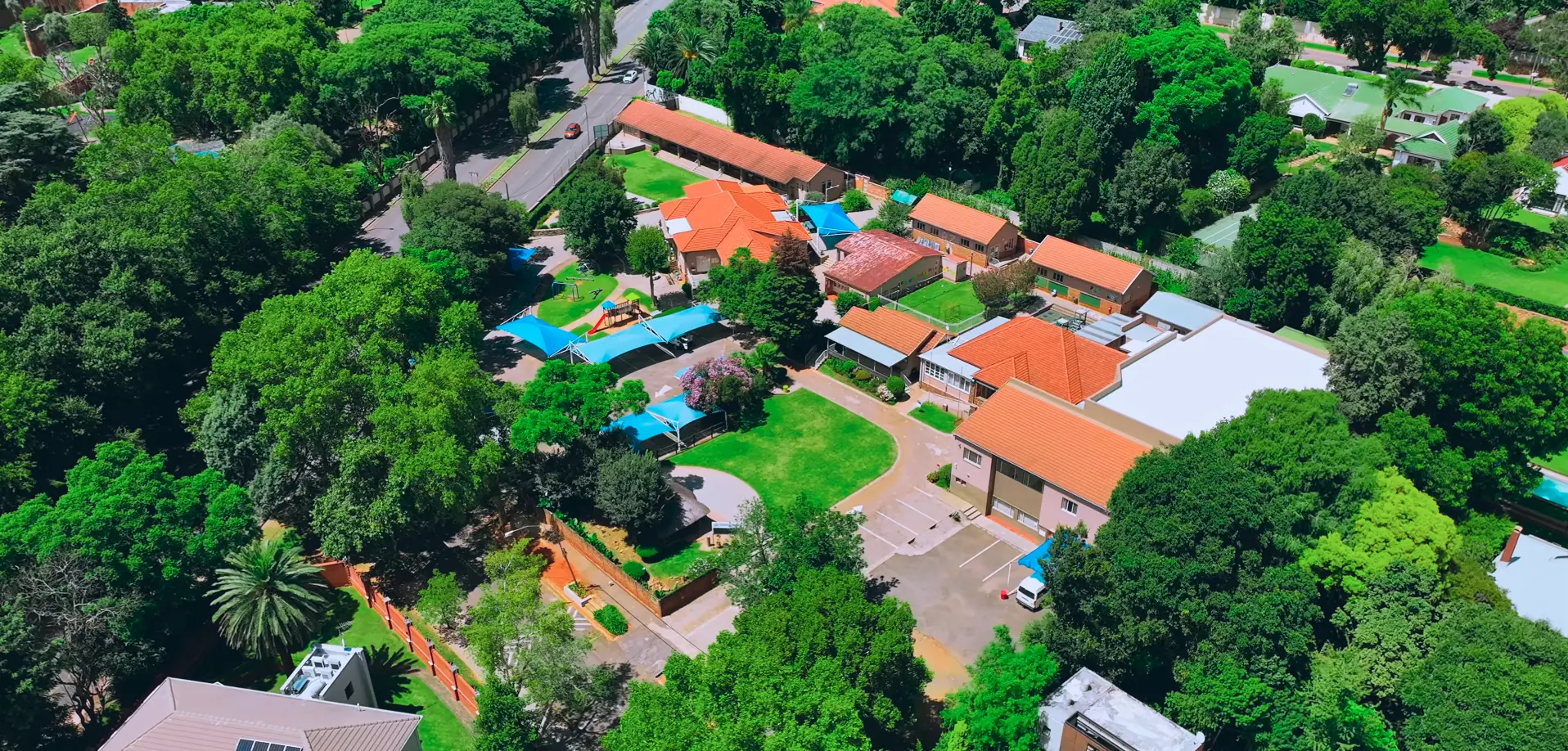
In 1966 a doctor and educational psychologist opened a small clinic in Parktown North for children who learned differently. Six decades and five principals later, Japari is still doing the work she began.
Dr Sonia Machanick
Japari began with one woman’s conviction that a child who struggles to read is not a child who cannot learn.
Sonia Machanick was born in Cape Town in 1925 and qualified as a medical doctor at the University of Cape Town in 1947, where she was a founding member of SHAWCO, the student-run health and welfare organisation. She went on to study psychology and worked at the University Child Guidance Clinic, the Alexandra Township TB clinic and Tara Hospital before turning her full attention to children with learning difficulties.
She pioneered new methods for teaching children with dyslexia and other learning barriers, wrote widely for doctors and teachers on how to recognise and manage them, and in 1966 founded the school that would carry her children’s names.
Named for four children
“Japari” was formed from the names of Dr Machanick’s four children. Every child who has come through our gates since has carried a little of that family with them.
Teaching a generation to read
Dr Machanick’s phonics readers, Sounds Travel Too, were written with Anne Sassoon and published in four books between 1969 and 1976. They were used widely in South African classrooms through the late 1960s and 1970s, and an Afrikaans series, Tom Kan Lees, followed in 1975.
The principle behind them still shapes how we teach: break reading into sounds a child can hear, see and say, build confidence one step at a time, and never mistake a learning difference for a lack of ability.
From a clinic to a school
- 1966
A clinic in Parktown North
Dr Machanick opens Japari as a clinic for children who are struggling in mainstream schools. From the start it is open to children of every race, at a time when that was far from the norm.
- Early years
Boarders and an afternoon school
Families outside Johannesburg begin to look for support, and the school soon takes in boarders. A member of staff, Mrs Kathleen Argyle, opens her own home in Bryanston to board children from out of town. An afternoon school follows for learners from surrounding schools.
- 1978
Kathleen Argyle leads the school
After Dr Machanick’s death, Mrs Argyle takes over as headmistress and carries her founder’s work forward for sixteen years.
- 1985
Therapy and counselling
Japari introduces comprehensive support services, including therapy and counselling, alongside classroom teaching.
- 1994
Joan Gardiner, and a new property
Joan Gardiner becomes headmistress. Another property is bought and more classrooms are built to make room for more children.
- 2002
Steeve Rees
Steeve Rees is appointed headmaster in January 2002 and leads Japari for almost two decades.
- 2021
Ingrid Kamffer
Ingrid Kamffer becomes principal. Under her leadership Japari continues to support learners who experience barriers in mainstream, with therapy built into the school day.
- 2026
Our sixtieth year
Japari marks sixty years with a new motto chosen by its own staff: Learn. Grow. Rise.
Remembered beyond our gates
Recognised in her field
Dr Machanick’s work was well recognised in educational research, and her articles guided doctors and teachers on managing learning difficulties.
A travelling fellowship
The Sonia Machanick Travelling Fellowship was established in her honour by the College of Medicine of South Africa.
A memorial lecture
The Sonia Machanick Memorial Lecture was established in her memory after her death.
A school open to all
Japari was run on a non-racial basis from its founding, during apartheid, and offered scholarships to support Black pupils.
The same promise, sixty years on
The tools have changed. Today’s classrooms have visual schedules, sensory spaces and therapists down the corridor. The promise has not: every child can learn, given the right support, and every child deserves to leave us ready for what comes next.
Part of Japari’s story?
If you are a past pupil, parent or teacher with photographs or memories from our sixty years, we would love to hear from you.
Share your memoriesReady to begin your child’s journey?
Different doesn’t mean less capable. Book a private visit during a school day, or call Val on 011 646 2132.